Unplanned server shutdowns can instantly ruin an MSP’s reputation. A single voltage spike or sudden power blackout can corrupt databases, damage client hardware, and cause hours of expensive downtime. When power fails unexpectedly, clients blame their managed service provider first.
As a leading technology distributor, Bluechip IT supports Australian partners with world-class power management solutions. We work closely with top vendor partners like Eaton to keep your client environments resilient and secure. In this article, you will discover how reliable Eaton UPS power protection safeguards your client assets and expands your service revenue.
The Real Cost of Unplanned Outages
Power anomalies happen every single day across Australian business networks. According to research published by the Uptime Institute, power-related issues remain the single largest cause of significant site outages, accounting for 52% of all major incidents. This statistic highlights why power management must be a core priority for every service provider.
Without proper Eaton power protection, your client servers face constant risks from surges, brownouts, and frequency fluctuations. Repairing damaged hardware and restoring corrupted files wastes valuable engineering hours. Repeated outages damage trust and push clients toward competitors.
Unplanned outages cost modern businesses thousands of dollars per minute in lost productivity and damaged hardware.
Tailored Eaton Power Solutions for Every Setup
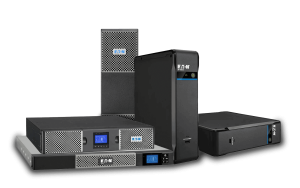
Every client environment has unique power requirements and physical constraints. Fortunately, Eaton UPS systems offer flexible form factors designed for diverse operational requirements:
-
Eaton Tower UPS: Ideal for standalone workstations, edge locations, and small office setups.
-
Eaton Rackmount UPS: Perfect for high-density server racks and structured network closets.
-
Eaton 3-Phase UPS: Engineered for heavy-duty data centre power solutions and industrial environments.
-
Eaton Online UPS: Delivers continuous clean power for mission-critical IT infrastructure.
By matching the correct Eaton uninterruptible power supply to each site, you ensure total protection against power instability.
Smart Network Management for Proactive MSPs
Modern Eaton battery backup systems do far more than supply temporary emergency battery power. Equipped with Gigabit network cards, an Eaton network UPS allows your team to monitor power metrics remotely. You can track battery health, load capacity, and utility power quality across all client sites from one central screen.
Intelligent shutdown software automatically saves open work and safely powers down virtual machines during extended blackouts. Therefore, your technicians avoid midnight emergency dispatches just to flip breaker switches manually.
Grow Your Business with Bluechip IT
Need help sizing the right Eaton UPS for business server environments? Visit Bluechip IT today to speak with our dedicated power experts and discover tailored partner discounts.
Why Australian MSPs Choose Eaton Solutions
Australian climate conditions and grid stress make reliable power management essential for business continuity. Eaton UPS systems stand out in the channel due to superior efficiency and long battery lifespans. As an official Eaton UPS distributor in Australia, Bluechip IT delivers full partner support, sales enablement, and rapid local stock delivery across the country.
|
Eaton Feature |
MSP Operational Benefit |
|
ABM Technology |
Extends battery service life by up to 50% through smart charging |
|
Energy Saver System |
Lowers client electricity costs without sacrificing protection |
|
Cybersecurity Certification |
Prevents network card vulnerabilities in sensitive environments |
|
Modular Design |
Allows easy capacity upgrades as client businesses grow |
These advanced features enable your team to build highly reliable, high-margin solution packages for every project.
Building Resilience with Eaton UPS
Power protection is no longer optional for modern managed service providers. Unplanned utility outages cause server damage, data corruption, and costly downtime that frustrates clients. By deploying Eaton UPS power protection, your business ensures seamless uptime, remote network visibility, and long-term infrastructure resilience across every client site.
Ready to Upgrade Your Client Power Protection?
Partner with Australia’s trusted Eaton distributor to secure your client infrastructure with industry-leading UPS solutions today.